Surfing at Lista
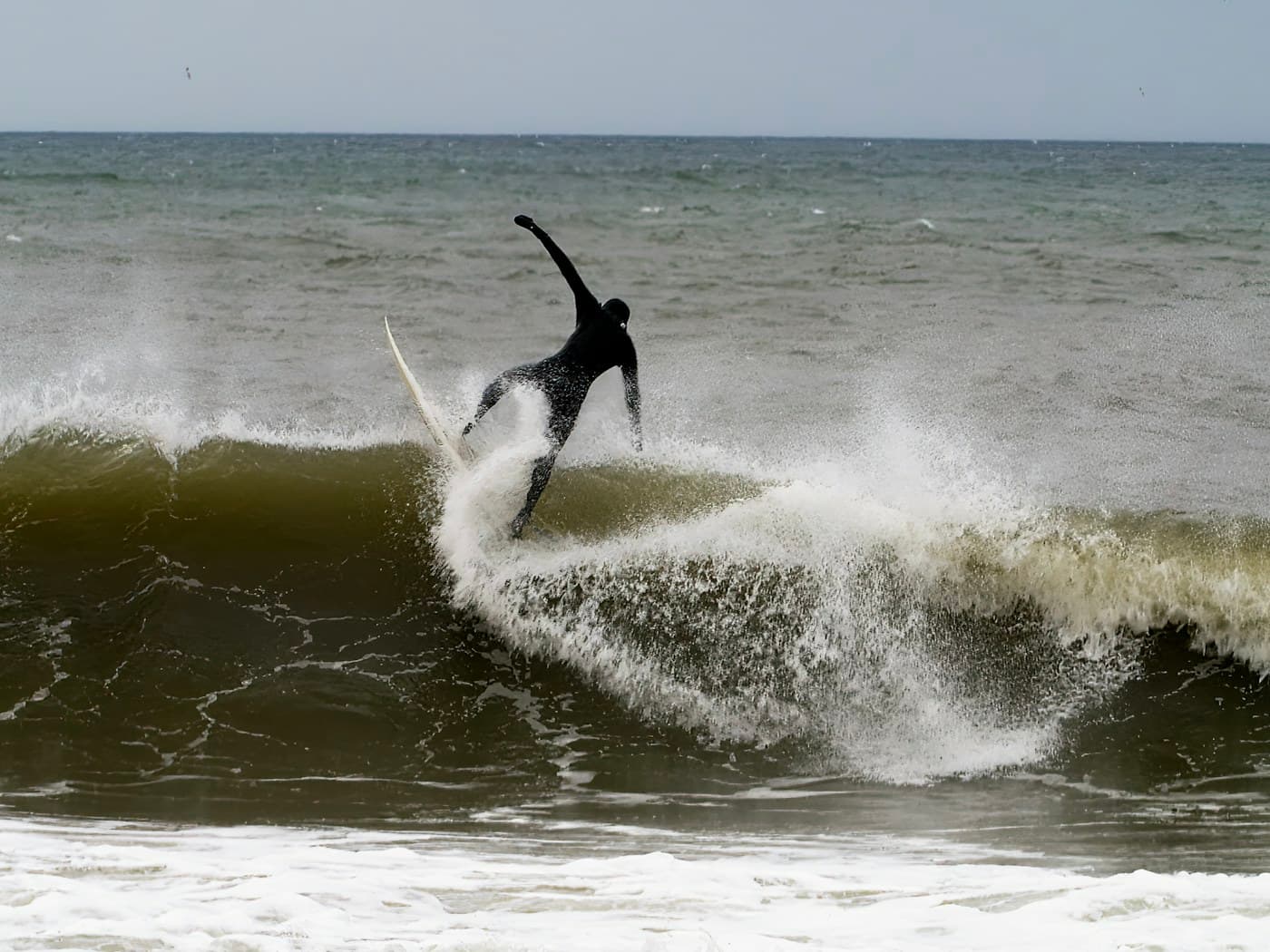
Surfing at Lista: waves, wind and miles of sandy beach.
Surfing in Norway sounds to most people like Lofoten, ice water and a camera crew. At Lista it is less spectacular and far more doable: a flat peninsula reaching out into the open North Sea, miles of sandy beach and wind that almost always comes from somewhere. If you want to learn, you will find shallow, sheltered bays. If you want waves, plan for the winter half of the year.
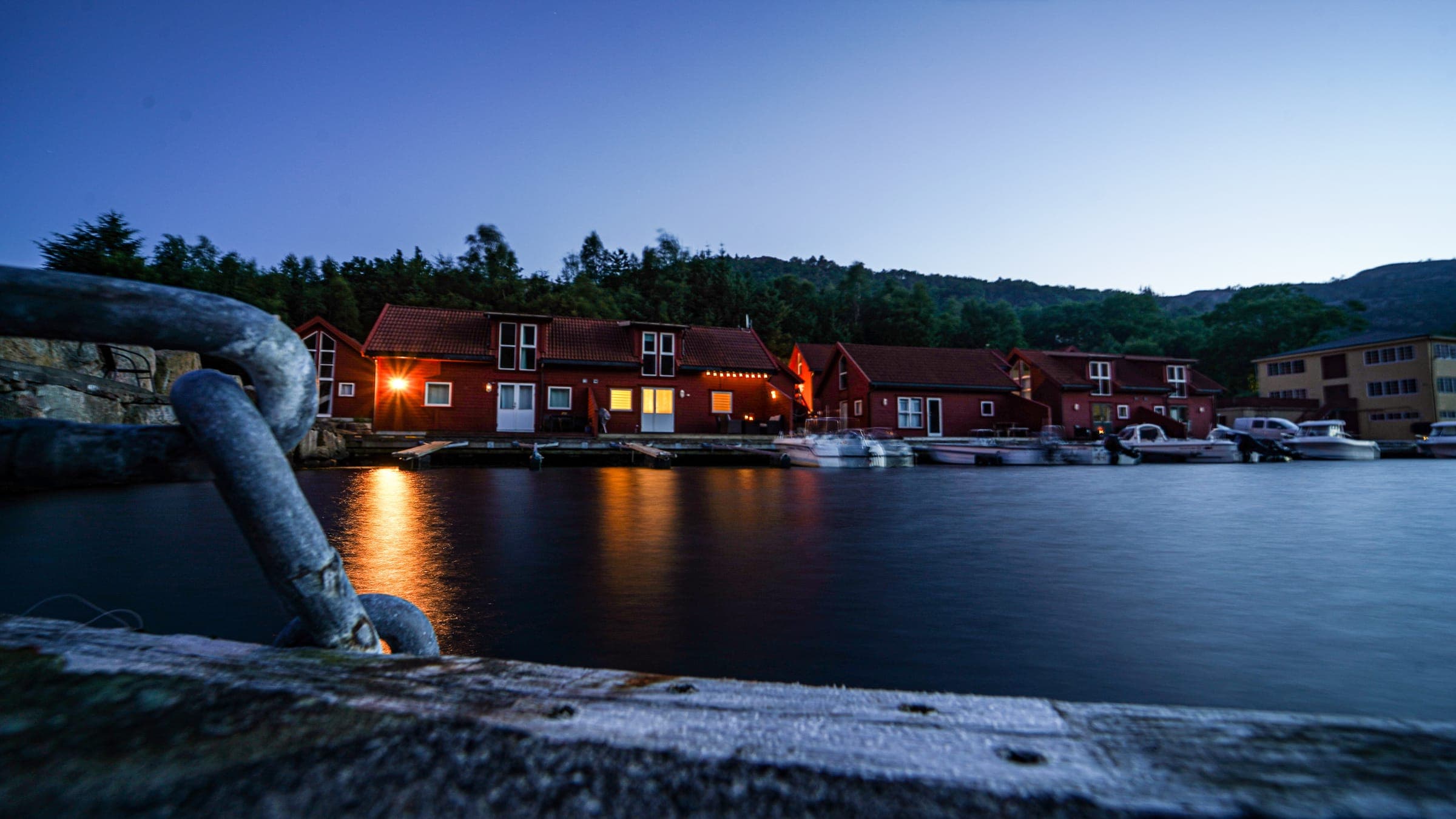
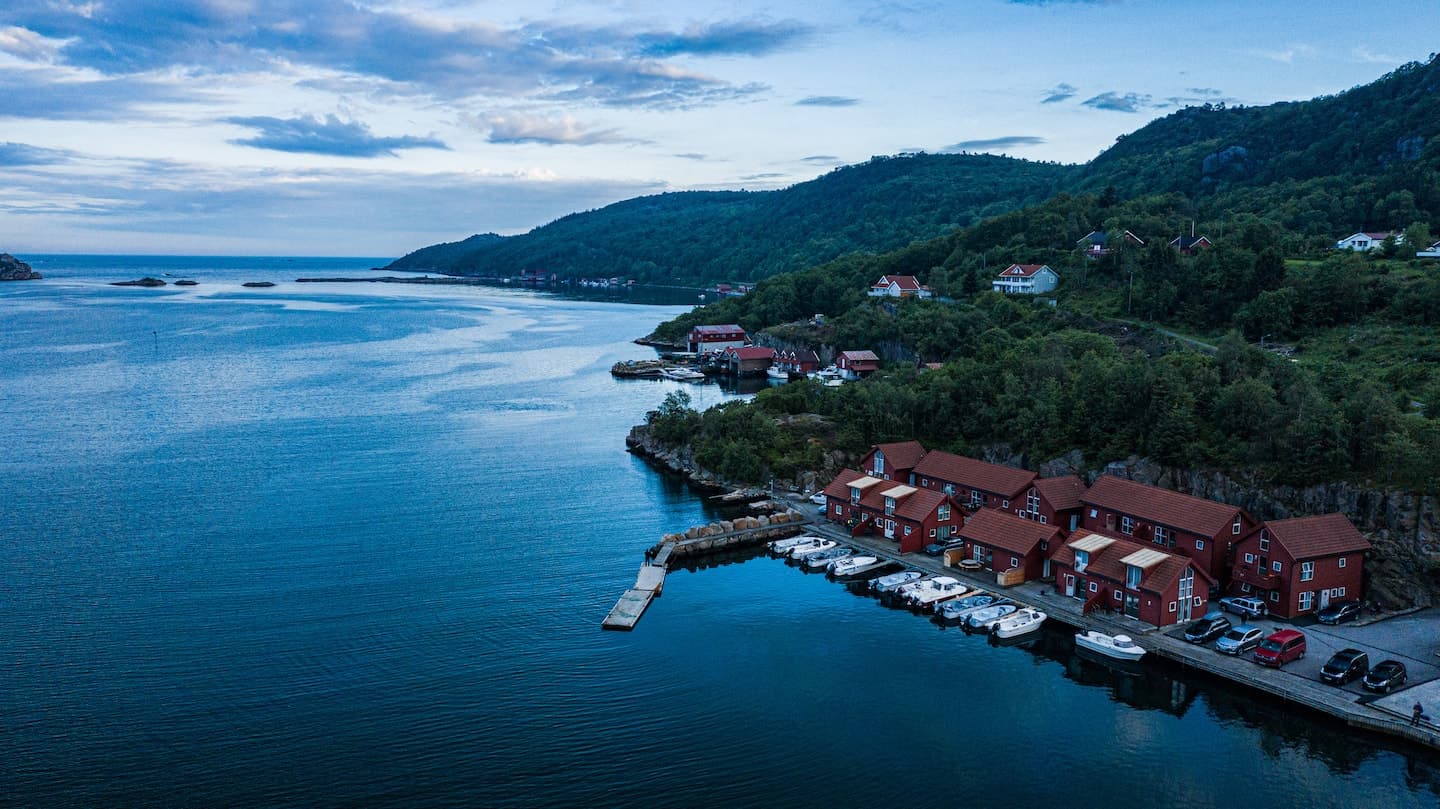
Our holiday home Maritim 2 stands in Borhaug, right in the middle of it. Here is where people surf at Lista, when the waves arrive, where to find lessons and kit, and which conservation rules apply on the beaches. Offers, prices and opening hours change, so check them directly with the operators before you travel.
Why Lista gets waves at all
Lista is one of Norway's few wide, flat landscapes, sitting at the country's southern tip with no skerries offshore to take the edge off. Whatever builds out at sea runs straight onto the beach. Then there is the wind. Just how hard it can blow here shows in met.no's assessment of the Amy storm: the Lista fyr station recorded 33.3 metres per second, among the highest wind speeds measured at any coastal station in that event.
The beaches run almost continuously from Lista lighthouse to Lomsesanden: sand, dunes and rocky ridges in between. That makes a chain of bays facing different directions, which is exactly why the peninsula works for such different sports, from wave riding to windsurfing and kiting.
The beaches: shallow for beginners, open for the experienced
Havika is the address for lessons. The surf school Lista Surfing has its base here, and this is where course groups meet. Husebysanden is the beginners' beach: an idyllic stretch of sand with shallow, flat water, where sailing happens in a sheltered bay that works in most wind directions. Lista Surfing runs its beginner windsurfing courses right there.
Lomsesanden, at the eastern end of the chain of beaches, is a broad sandy beach with shallow water, sheltered from westerly winds, with a car park and a pier right by the sand and a family campsite next door. Visit Norway lists the Lista beaches among the best places in the region for kiting, and Lomsesanden as one of the most popular spots for it. And if you only want to watch: on a windy day the beach alone is worth the trip.
When the waves arrive
Visit Norway puts Norway's surf season at February to November. Summer, roughly May to September, is the friendliest window for beginners, while late autumn and winter, September to May, bring the bigger waves for experienced surfers.
Expectation matters more than season. Lista Surfing announces the course time on Instagram and Facebook at the latest 24 hours ahead, simply because there are not always enough waves at Lista. So treat surfing as an option rather than a fixed point in the plan. If nothing turns up, there is the coastal path, the lighthouse, the bird observatory or a long evening in the sauna.
Lessons, board and wetsuit
Lista Surfing was founded in 2015 by Per Christian Brodschöll, who has been on a board since the 1980s. The beginners' course at Havika runs three hours with board and wetsuit included, and the instructors are ISA level 1 certified. There are also windsurfing courses at Husebysanden, a three-hour beginner wingfoil course with equipment included, and a surf camp with food and lodging at Stave Gård. Kit is available to rent as well.
The second operator, Surf-Lista, is based at Tjørvehavn in Borhaug, the same village as our house Maritim 2, and therefore close to the spots. Courses and surf camps run there all year round, and equipment is both rented and sold.
Both businesses are independent of us, so you book with them directly. We are happy to tell you what we know about current conditions, but we do not provide equipment.
What applies on Lista's beaches
Almost the entire coastline is protected. The Listastrendene landscape protection area was established by royal decree on 28 August 1987 and covers around 4,274 decares from Søndrehall near Lomsesanden in the south to Høgsetodden near Varnes in the north, including offshore islands and sea areas down to six metres depth at low tide. The area is divided into zones with their own rules, and motorised traffic on land is banned throughout. The regulation has been amended since 1987, and Lovdata carries the current version.
On top of that come eight separate reserves, all adopted on that same 28 August 1987. Havika is one of them, a bird sanctuary covering roughly 289 decares of land including offshore islets, plus the sea out to six metres depth measured at low tide. The purpose is the rich bird life, and above all the coast's importance for migrating and wintering birds. In practice, at Havika that means no hunting and no firearms, dogs on a lead from 1 March to 1 November, and no tents or camping in the dune areas. Nordhasselvika, Kviljo, Einarsneset, Stave, Steinodden and Fuglevika are separate reserves with their own regulations.
There is an international layer too: the Lista wetlands have been designated Ramsar Site number 804 since 18 March 1996 and now cover around 1,173 hectares. The original designation was roughly 724 hectares, later extended with the Slevdalsvann subsite among others. What matters for you in practice: wind and wave sports are not allowed in the bird sanctuaries, while other stretches are open. Listerfriluft lists the inner bay at Husebysanden explicitly as a permitted spot. Read the information boards at the access points, keep your distance from resting flocks and do not cut through the dunes.
Staying where the sea is at the door
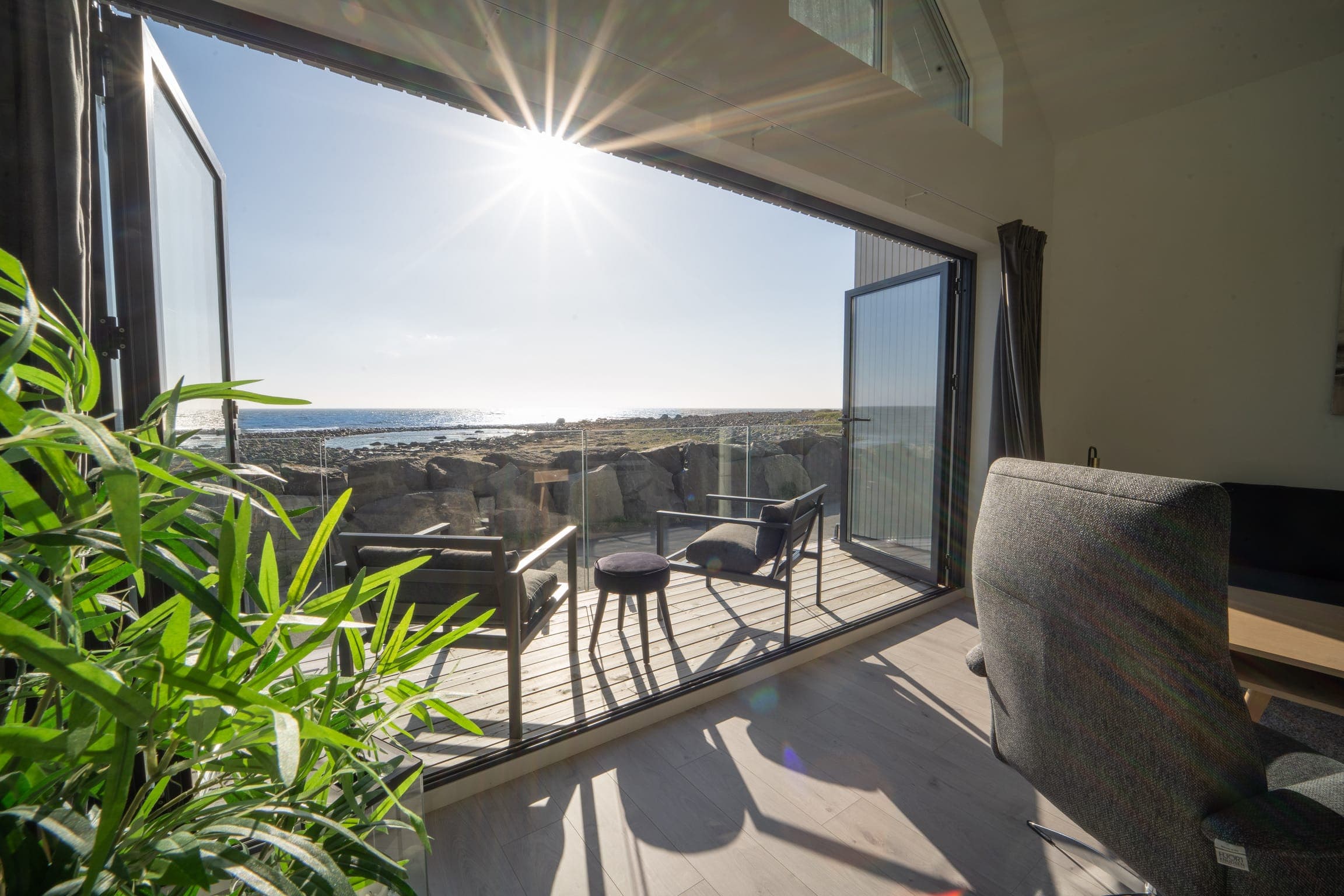
Maritim 2 stands in Borhaug, a few steps from the water and in the same village as Surf-Lista's base. Five bedrooms, two bathrooms, room for up to nine guests, a terrace directly above the water, from 150 euros per night. For a group arriving with wet neoprene and boards, it is the most practical address we have.
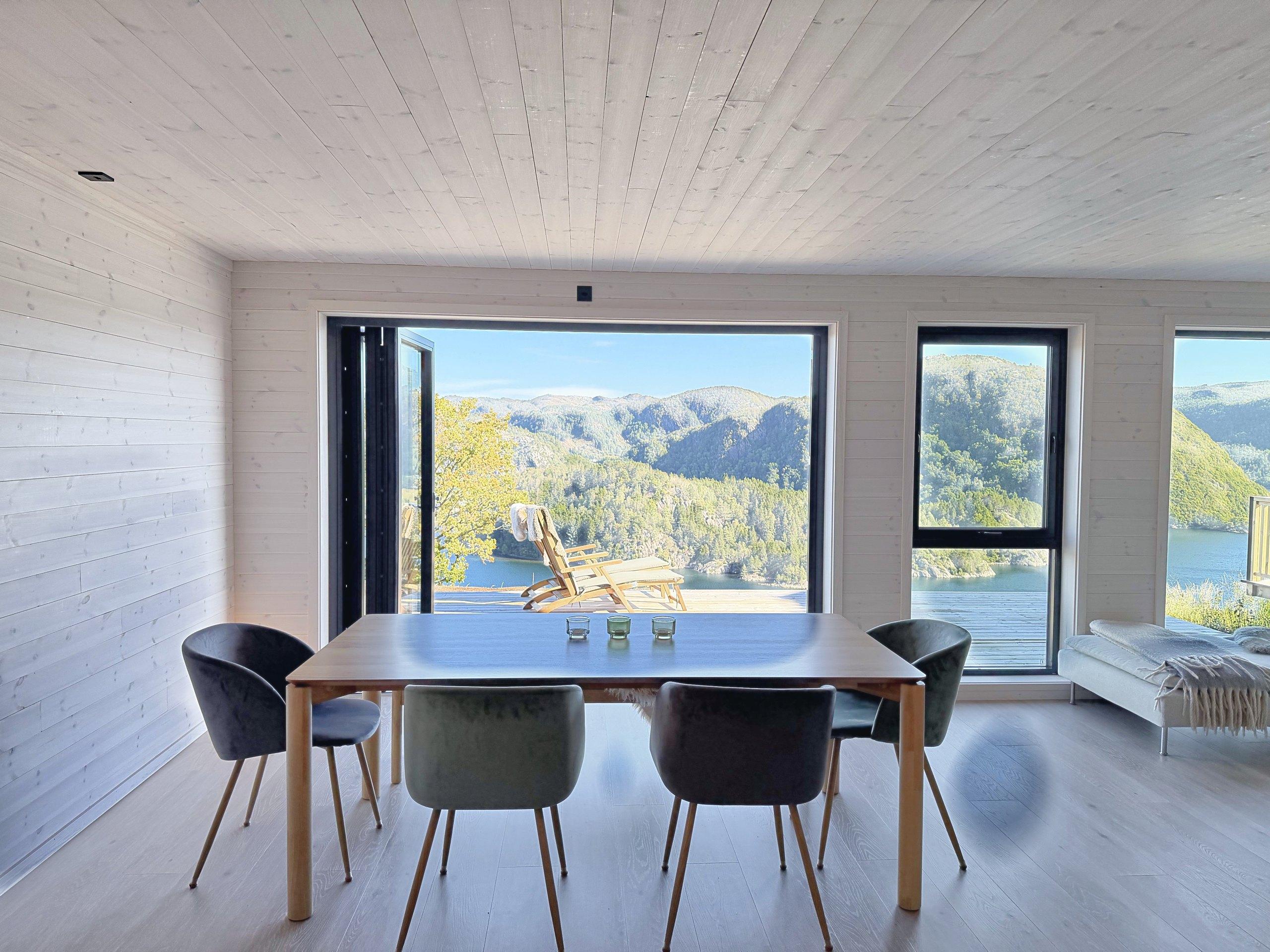
A little further east, in Spangereid near Lindesnes, are Ramsland 8a and Ramsland 2d, from 110 and 80 euros per night respectively. Both come with a panorama sauna and a barrel sauna with a fjord view, shared with the neighbouring houses on the site. After a cold day in the water, that is not a bad argument.
All three houses include a motorboat in the price, available from April to October, and dogs are welcome. There is also our own holiday home Odrelia near Farsund, bookable year-round. Booking is direct with us, without platform fees.
Frequently asked questions
Yes. Lista Surfing is based at Havika and runs a three-hour beginners' course with board and wetsuit included and ISA level 1 certified instructors, alongside windsurfing courses at Husebysanden and a surf camp with food and lodging. Surf-Lista at Tjørvehavn in Borhaug offers lessons all year round and rents out equipment.
Visit Norway puts the Norwegian season at February to November, with summer between May and September the most beginner-friendly window and bigger waves between September and May. At Lista a lot comes down to the individual day: Lista Surfing only announces the course time 24 hours ahead at the latest, because there are not always enough waves.
No. Both operators rent kit out. Lista Surfing's beginners' course includes board and wetsuit, and its wingfoil course comes with the full set of equipment. Surf-Lista at Tjørvehavn both rents and sells gear. You can of course bring your own, and in the winter half of the year a thick suit is worth it.
Yes. Since 28 August 1987 the coast has been part of the Listastrendene landscape protection area, running from Søndrehall near Lomsesanden to Høgsetodden near Varnes. On top of that come eight separate reserves, among them Havika, Nordhasselvika and Kviljo. Wind and wave sports are not allowed in the bird sanctuaries, and at Havika dogs must be on a lead from 1 March to 1 November.
Living by the water