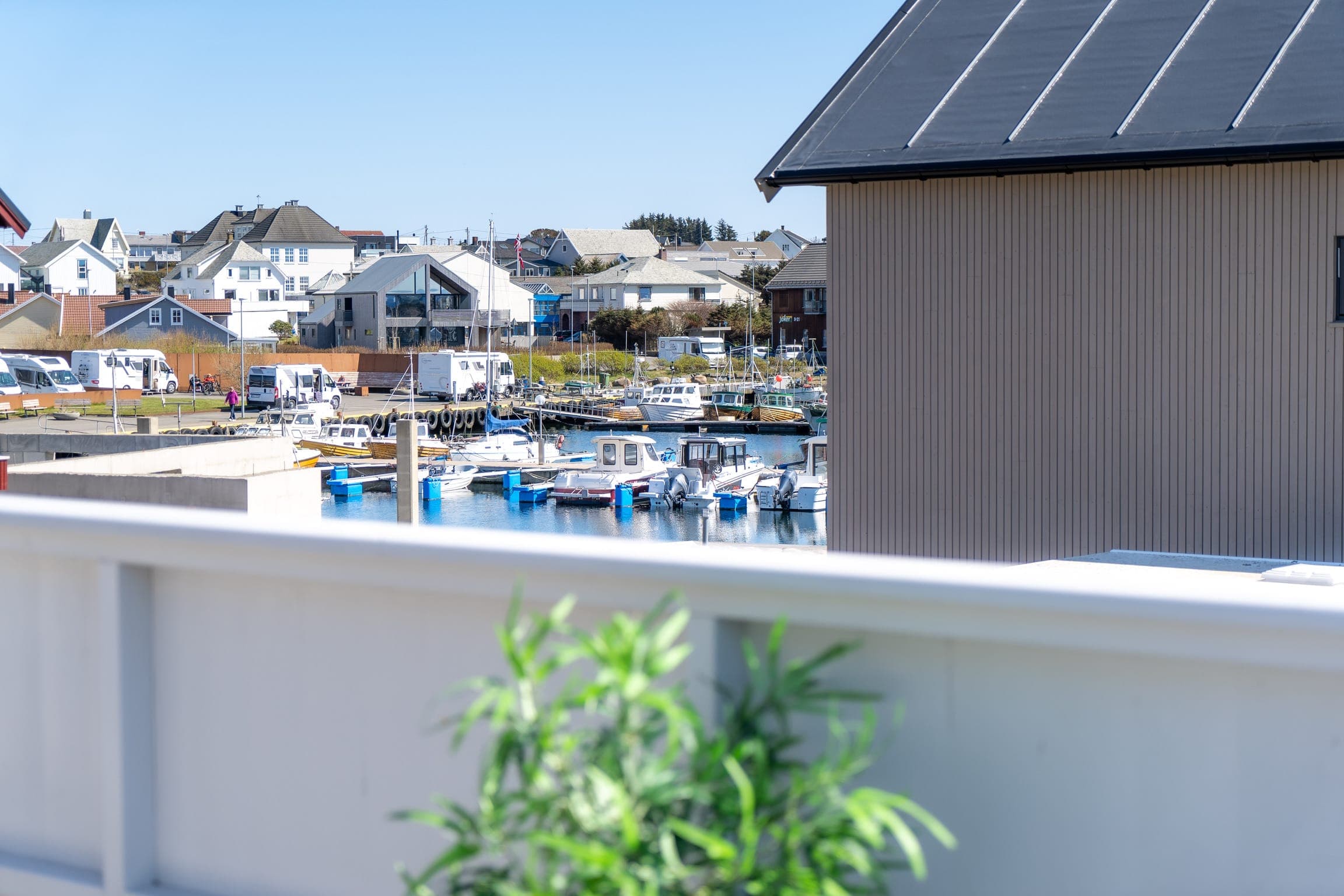
The Farsund and Lista region
Farsund and Lista: the corner where Norway goes flat.
There is a corner of Norway that does not look like Norway. No cliffs, no hairpin bends, no fjord losing itself between mountains. Instead flat land, stone walls running across the fields, sand dunes, a horizon that hides nothing. This is Lista, the peninsula on the south-western edge of the mainland, and Farsund is the white town that goes with it.
We rent out holiday homes on the water here, one of them in Borhaug at the western end of Lista. This guide gathers what defines the region: the land, the beaches, the wind and the stories lying out in the open. Opening hours and dates change, so check them with the operator before you travel.
Where Norway goes flat
Lista belongs to Farsund municipality in Agder, carrying municipality number 4206 since the two Agder counties merged at the start of 2020. According to Statistics Norway around 9,950 people live here across a good 260 square kilometres. The outer parts of the peninsula are flat terrain covered in block-rich moraine. Anyone who wanted arable land had to clear stones first, and those stones still sit in the fields as walls, terraces and cairns.
And then there is the wind. Lista is one of the most wind-exposed places in Norway: on average, wind of at least around eleven metres per second blows here some 20 to 25 percent of the time, comparable to Kråkenes, Nordøyan or Vardø. That sounds harsh, and sometimes it is. Mostly it means clear air, fast clouds and a sea that moves.
Farsund: the town that was built twice
Trade and shipping have run through Farsund since the 16th century, at first mainly as a harbour of refuge for foreign merchant ships. In 1795 the place was granted status as a trading and loading post, with the right to conduct commerce and shipping of its own. The merchant and shipyard owner Jochum Brinch Lund is regarded as its founding figure. In 1965 the town municipality merged with the rural municipalities of Lista, Herad and Spind.
On 12 August 1901 around 140 houses burned down, roughly two thirds of the town. What followed was a redesign: wider streets, larger plots, rebuilding mostly in stone and brick, shaped by Swiss chalet style and Art Nouveau. Walk through the centre today and you see less old timber than you would expect in a Sørlandet town. The big white wooden houses stand on Farøy, at the approach to the centre.
The beaches of Lista
Almost the entire coastline of Lista is protected. On 28 August 1987 a royal resolution adopted eight regulations for the Listastrendene landscape protection area, recorded at Lovdata as regulation 1987-08-28-722. In 1996 the Lista wetlands system was additionally given Ramsar status. For you that means the information boards at the access points tell you what applies on each stretch, with some restrictions in the breeding season.
Lomsesanden is the shallow, family-friendly bathing beach, with parking by the sand and a jetty. Haviksanden has white dunes, parking and toilets. Kviljoodden pushes out as a headland into a beach that runs unbroken from Havik to Østhasselstrand. The Kyststien ties it all together: marked paths from Loshavn along every beach as far as Havika, and from Steinsvika near Bausje to Varnes lighthouse. The most demanding stretch is the Kirkestien between Loshavn and Lomsesanden; otherwise the terrain is flat and the walking easy as far as Jølle.
The lighthouse and what passes by
On 10 November 1836 Lista lighthouse was lit for the first time, a 34 metre unpainted granite tower on the western side of the peninsula. It was not safe enough. In 1853 two more towers joined it, set in a triangle, so that skippers could tell Lista apart from Lindesnes, Torungen or the Danish coast. At the time that made Lista the largest lighthouse station in the world. The two extra towers were later dismantled; their foundations have been excavated and can be seen in the ground.
Lista bird observatory has worked at the same spot since 1990. Standardised netting and ringing runs in spring from 15 March to 10 June and in autumn from 15 July to 15 November. More than 330 bird species have been recorded here since, more than anywhere else in Norway. Lista sits where coastal migration funnels past. You notice it without binoculars when the September sky is full of birds.
History lying out in the open
About 400 metres north-west of Nordberg fort a path leads to the Penne site. The rock carvings date from the Bronze Age, the period between roughly 1800 and 500 BC. The field at Jærberget is the largest on Lista, with 25 ship figures and 60 to 70 cup marks. The fort itself was built in 1942 by the German occupying forces and counts as one of the best-preserved coastal forts in northern Europe. Today it belongs to Lista museum, part of Vest-Agder-museet, with an exhibition, a museum shop and a café. Admission to all Lista museum visitor sites is free, and the opening hours shift from year to year.
Two places tell the rest. Right at the south-eastern end lies Loshavn, an old outport with perhaps the best-preserved timber house environment on the south coast. The first house is thought to have been built in 1723, there was a pilot station, and between 1807 and 1814 the place also lived off state-sanctioned privateering against English ships. In Vanse, meanwhile, stands Brooklyn Square, which Visit Sørlandet calls the first official American address in Norway, and the American Festival is held there every year.
Starting from our front door
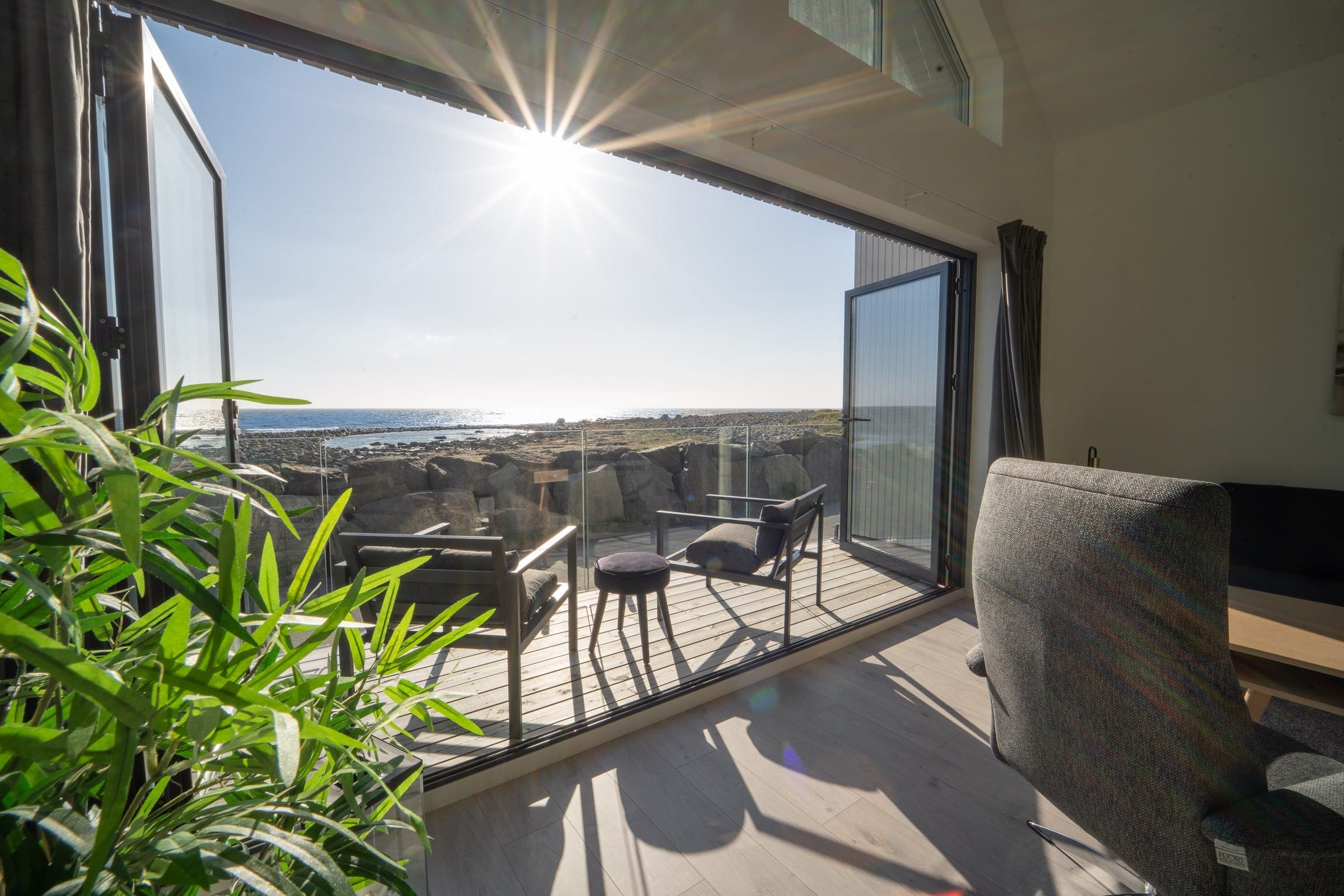
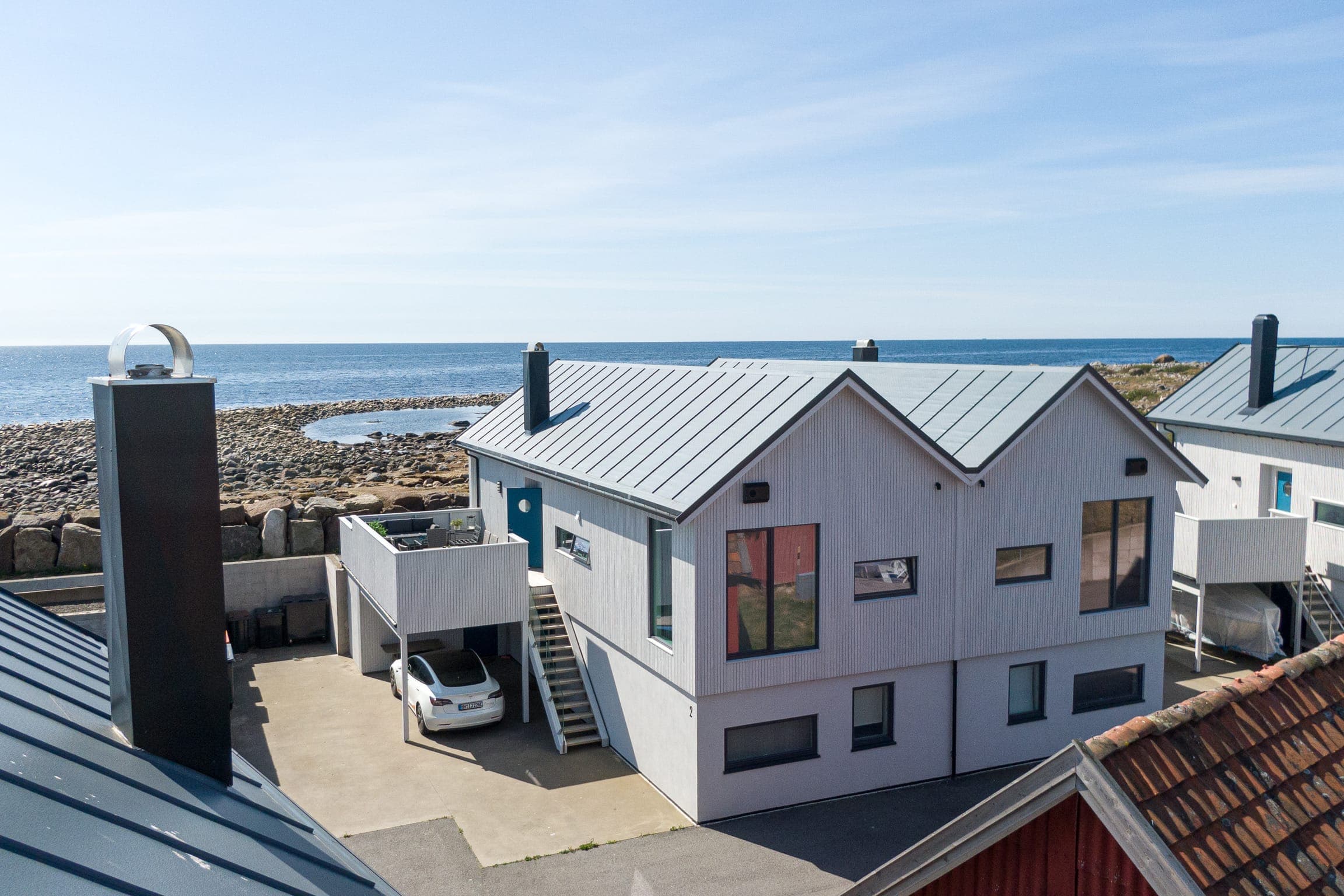
Our house on Lista is called Maritim 2 and stands in Borhaug, at the western end of the peninsula. 135 square metres, five bedrooms, two bathrooms, room for up to nine guests, from 150 euros per night. A grocer with a bakery and the harbour are within walking distance, the sand beach a few minutes away. A motorboat comes with the house, a Sting 725 Pro Cabin, included in the rent. You take the helm yourself, on your own responsibility.
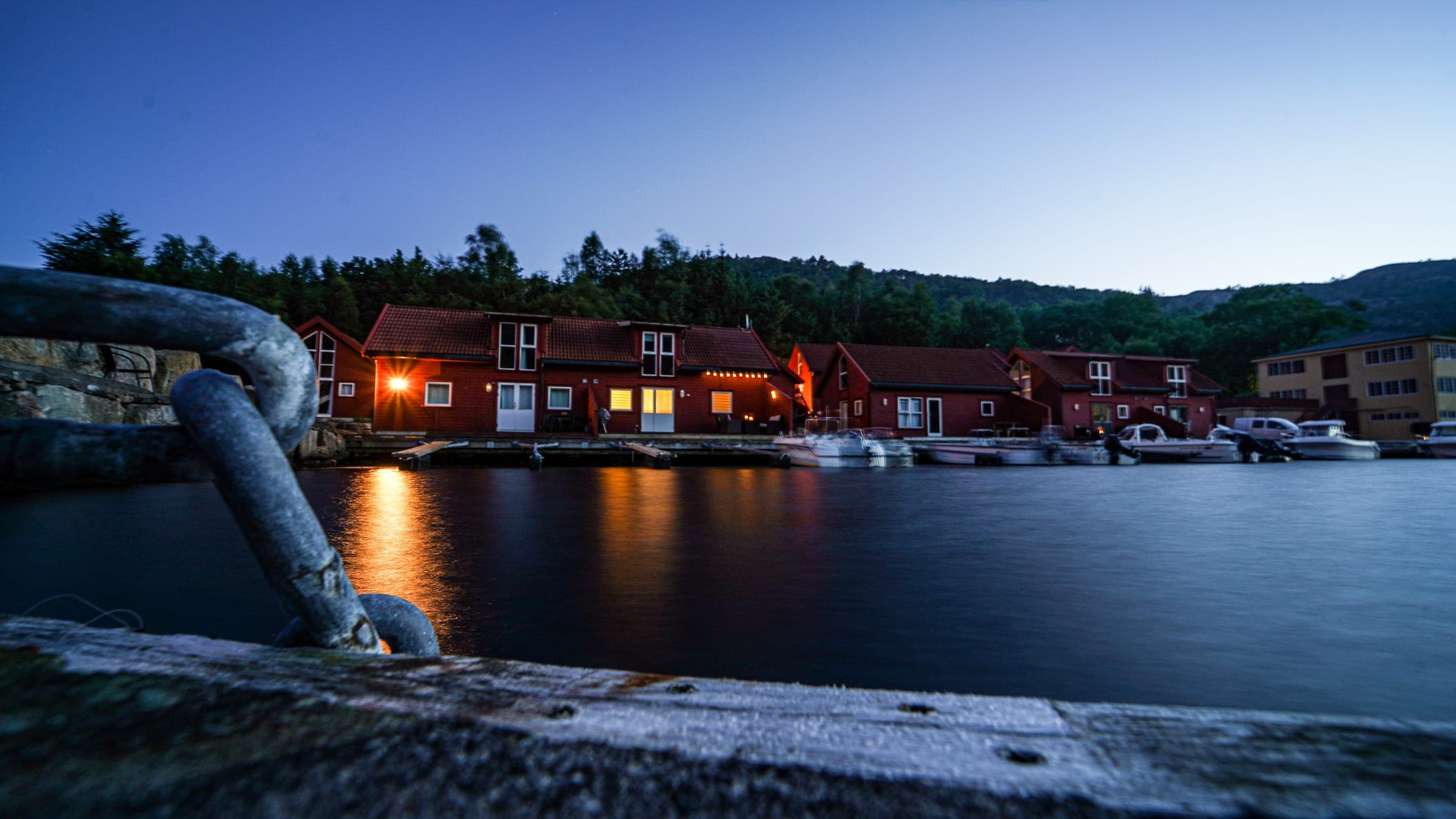
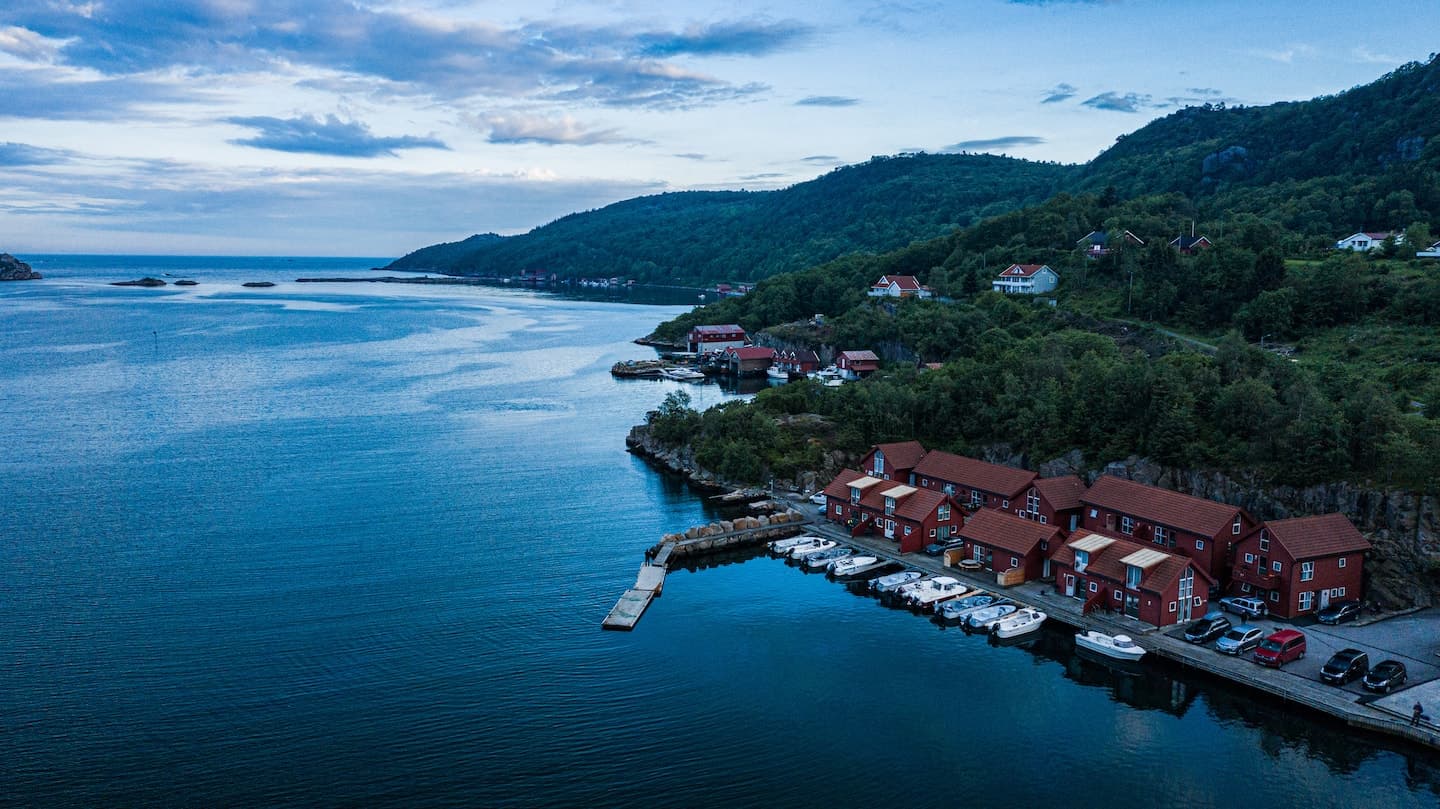
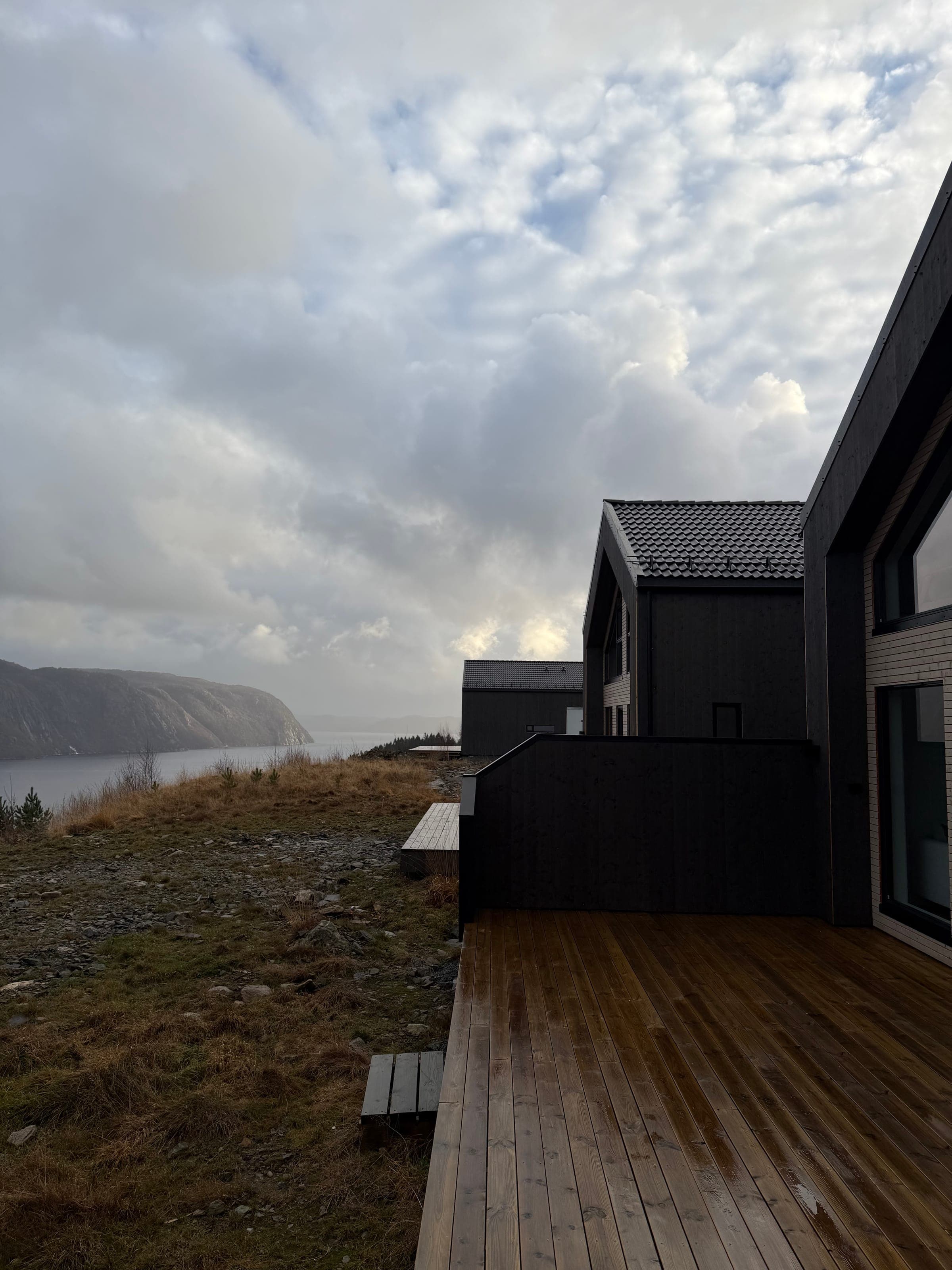
East of there, in Spangereid in Lindesnes municipality, stand Ramsland 8a for up to eight guests from 110 euros per night and Ramsland 2d for up to six guests from 80 euros per night, both on the fjord, both with a sauna and a boat. A fourth house is on the way: Odrelia near Farsund, from spring 2027, with a waiting list. Dogs are welcome for a small fee in the three existing houses, but not at Odrelia. And honestly: Lista is not a region for a day trip. Give it a week, walk a stretch of the Kyststien every day, and at some point you stop looking at the clock.
Frequently asked questions
Swim and walk along the protected Listastrendene, follow the Kyststien from Loshavn to Havika, visit Lista lighthouse of 1836 and its bird observatory, see the Bronze Age rock carvings at Penne and Nordberg fort of 1942 with Lista museum. Plus Vanse, with Brooklyn Square and the American Festival.
Lista juts flat and unsheltered into the open sea at the south-western edge of mainland Norway. That makes it one of the country's most wind-exposed places: on average, wind of at least around eleven metres per second blows here some 20 to 25 percent of the time. That same wind is what makes Lista a surfing spot.
From the late 1890s into the 1960s several thousand people emigrated from Lista to the USA, mostly to the east coast. Many came back and brought American furniture, cars and appliances with them. You can still see it in Vanse around Brooklyn Square, where the American Festival is held every year.
The distances are shortest if you stay on the peninsula itself. Our house Maritim 2 stands in Borhaug at the western end of Lista, with room for up to nine guests, a grocer and the harbour within walking distance, the sand beach a few minutes away and a motorboat included in the rent. From 150 euros per night, booked direct without platform fees.
Living by the water