Birdwatching at Lista
Birdwatching at Lista: Norway's richest bird site.
Nowhere in Norway has more bird species been recorded than at Lista: over 330, with 260 to 290 in a typical year. The flat peninsula at the country's southern tip juts into the migration route between Scandinavia and the south like a landing strip, and that is exactly what has made it Norway's most important meeting point for birdwatchers for decades.
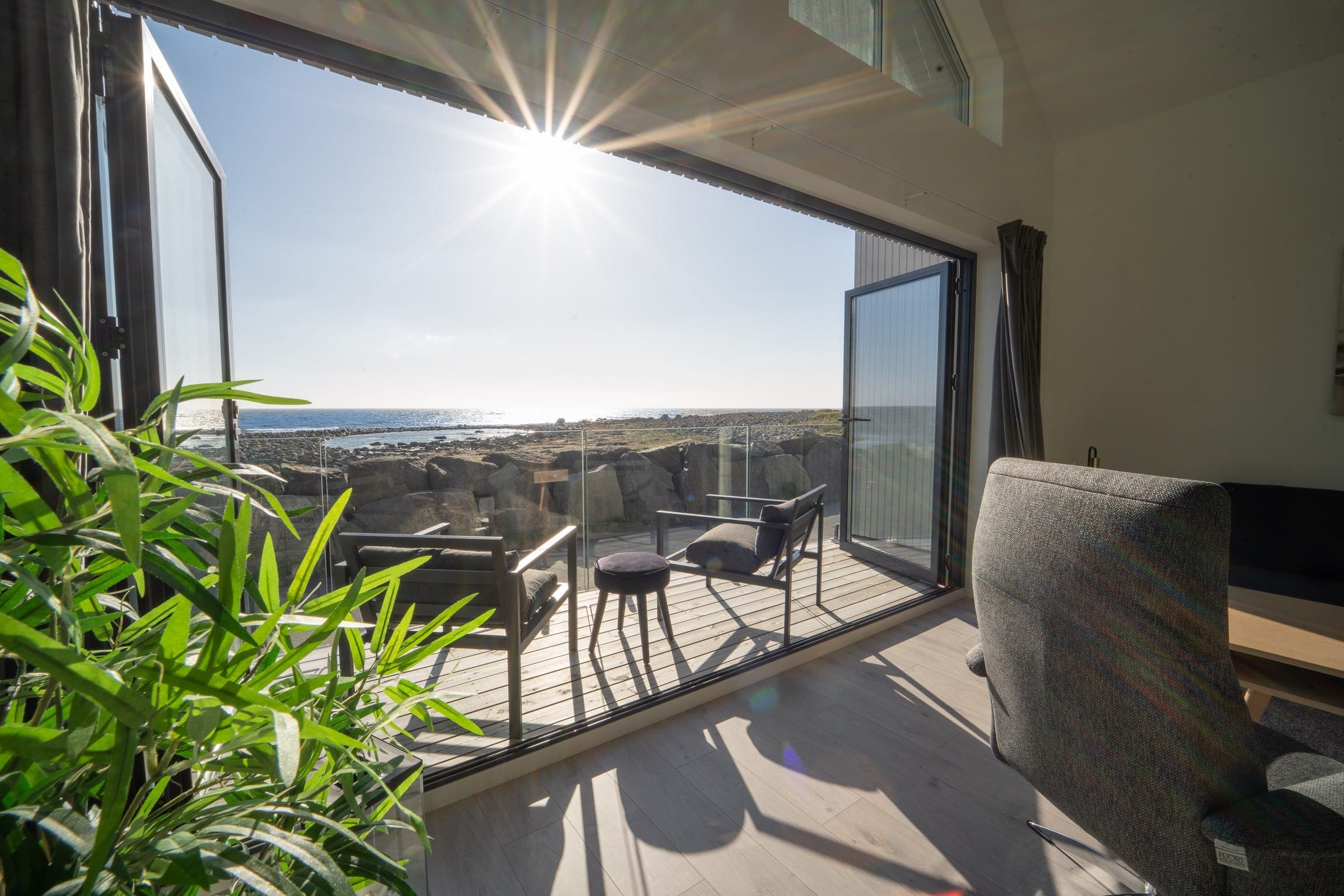
Best of all: you don't have to travel to the end of the earth for it. Our holiday home Maritim 2 stands in Borhaug, the village by the Lista lighthouse where the bird observatory does its work. Here's what makes Lista special for birders, when the trip is most rewarding, and how to plan your visit.
Why Lista, of all places?
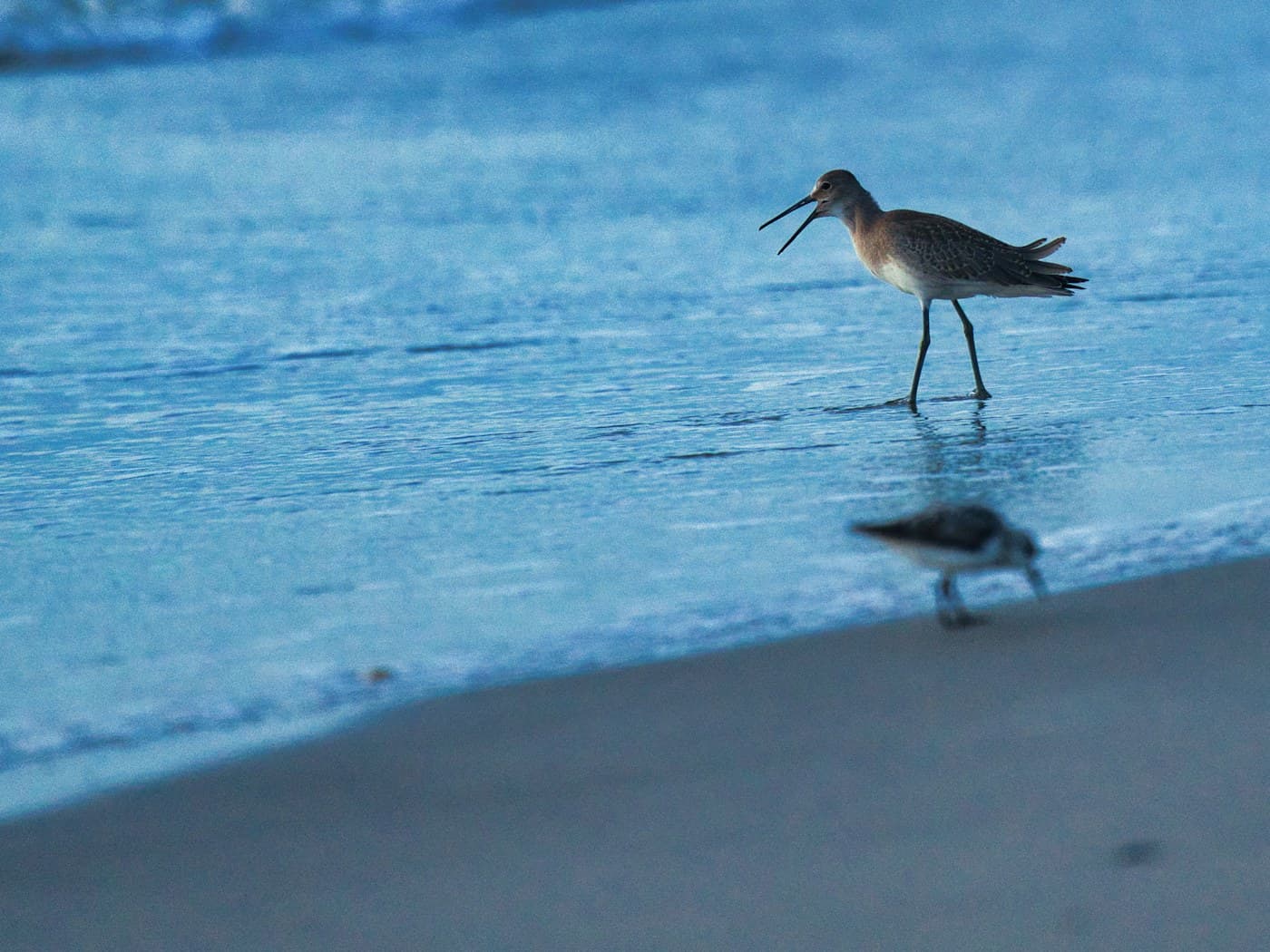
Geography is everything here. Lista is one of Norway's few wide, flat landscapes: sandy beaches, dunes, bogs and shallow lakes instead of fjord walls. For migrating birds arriving over the sea or about to cross it, the peninsula is the first and last solid ground. On good migration days, thousands of birds rest here at once, from waders and ducks to songbirds, plus seabirds streaming past just off the coast.
The mix of habitats in a small area means you can cover beach, wetland, heath and open sea in a single day, on foot, without moving the car.
The bird observatory at Lista lighthouse
Right by the Lista lighthouse in Borhaug, the Lista Bird Observatory has been at work since 1990, run as a national bird observatory by BirdLife Norway since 2015. Using standardised methods, the team catches and rings around 6,000 birds a year across 70 to 75 species, and counts the visible migration daily. That makes the station one of Norway's most important sources of ornithological data.
For guests this means: at the lighthouse you'll meet people who know the area like no one else, and the Våtmark Lista visitor centre gives you the full picture of the peninsula's wetlands. Just watching the ringing is a highlight for many, especially with children.
Ramsar-protected wetlands
The Lista wetlands have been internationally protected as a Ramsar site since 1996: more than 1,100 hectares of shallow bays, sand, shingle and rocky shores, dunes and shallow lakes, later extended further. The area is internationally important above all for resting and wintering waterbirds: Slavonian grebe, greater scaup and shelduck are among them, as are water rail and Eurasian curlew.
The protected status is also a request to you: stay on the paths, keep your distance from resting flocks, and keep dogs on a lead in the reserves. The best observations come to those who stay quietly in one spot anyway.
The best time for birdwatching at Lista
The honest answer: almost always. Autumn migration starts for the first species as early as the beginning of July and runs until late November, while spring migration continues until mid-June. In between lie weeks when every day brings new arrivals from the sky. In winter, large flocks of waterbirds gather in the ice-free bays.
For you as a guest, that's good news: the most exciting birdwatching months fall exactly in the quiet season, when our homes are most available. An October morning at the lighthouse, an easterly wind, flocks streaming past over the sea: that's what birdwatchers travel here for from all over Europe.
Practical: from holiday home to observatory
Our house Maritim 2 stands in Borhaug, the village of the Lista lighthouse. So you're not staying near the birding area, you're staying in it: out with the binoculars in the morning, back at your own dining table by lunch. The waymarked coastal path (Kyststien) links the peninsula's beaches and viewpoints over roughly 30 kilometres, and the stretch between Verevågen and the lighthouse is a gravel path that's even wheelchair accessible.
What to bring above all: binoculars, a wind and rain jacket, and patience. And if you still have energy after a day of birding: with around ten kilometres of continuous sand, the Lista beaches are among Norway's finest, binoculars or not.
Frequently asked questions
Over 330 bird species have been recorded at Lista, more than anywhere else in Norway. In a typical year, 260 to 290 species are observed, from waders and ducks to seabirds and rare migrants.
Autumn migration runs from early July to late November, spring migration until mid-June, and in winter waterbirds rest in the bays. The most exciting months fall in the quiet off-season, which is also when our homes are most available.
The Lista Bird Observatory is Norway's bird observatory at the Lista lighthouse in Borhaug, founded in 1990 and run by BirdLife Norway since 2015. The team rings around 6,000 birds a year using standardised methods and counts the migration daily. The lighthouse also hosts the Våtmark Lista visitor centre.
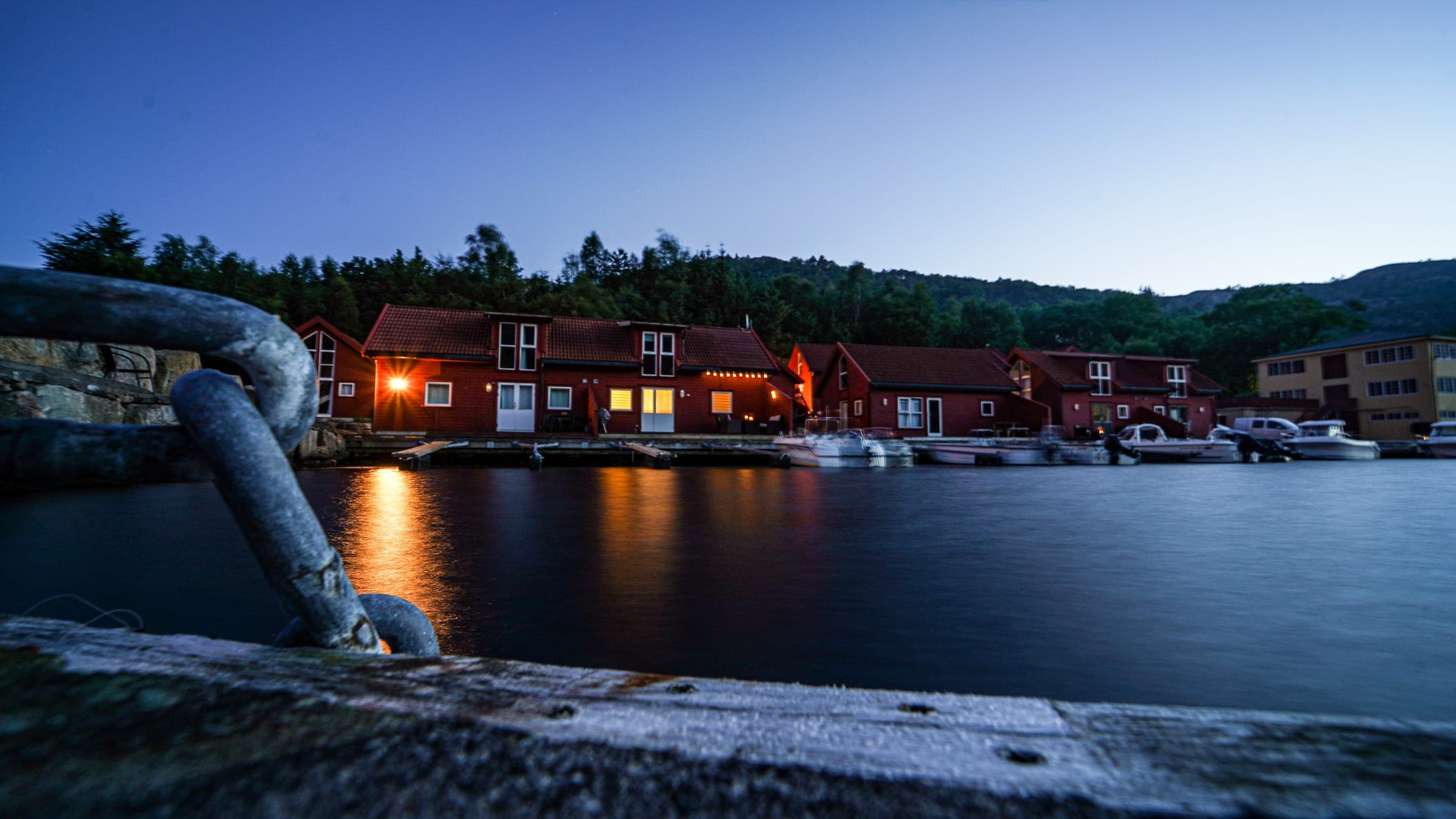
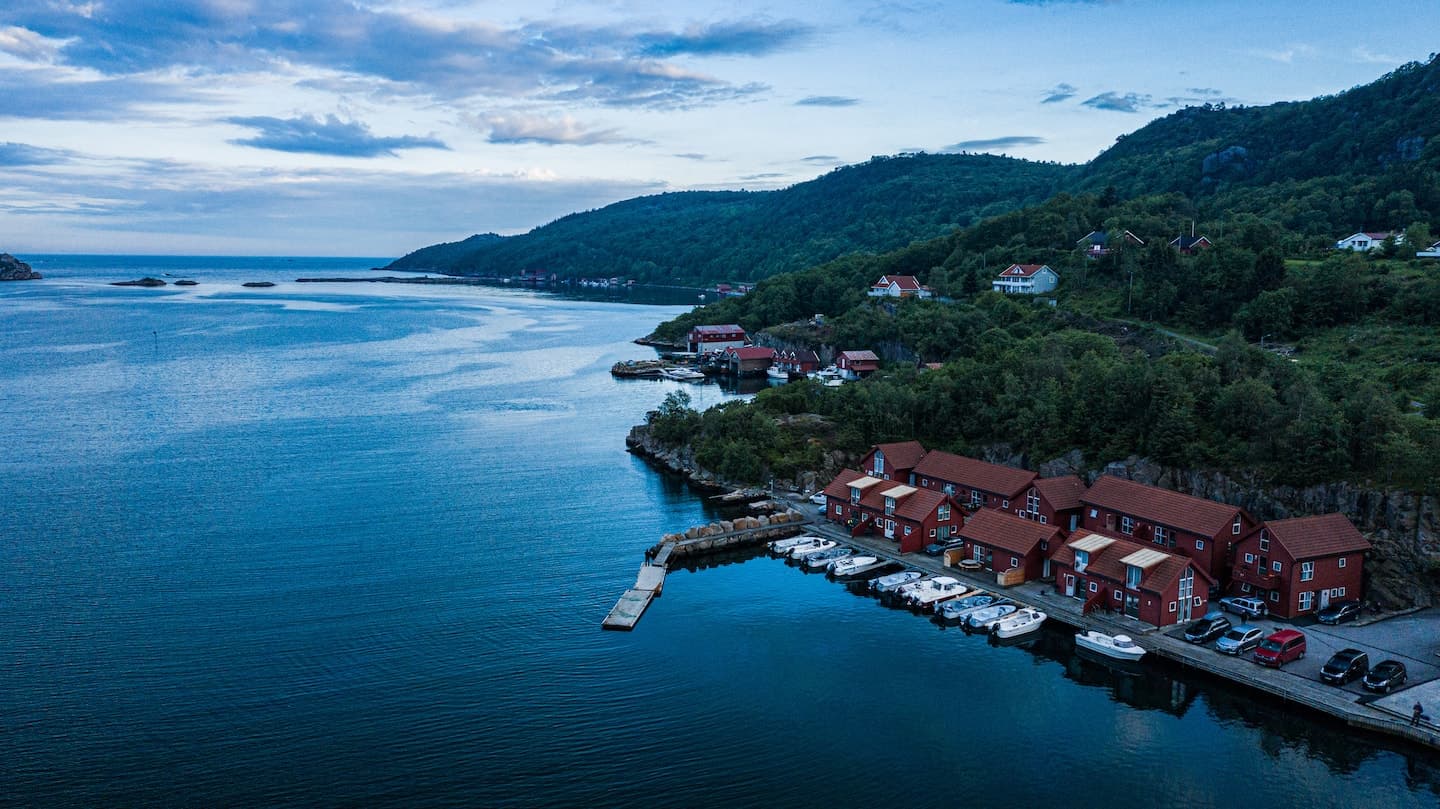
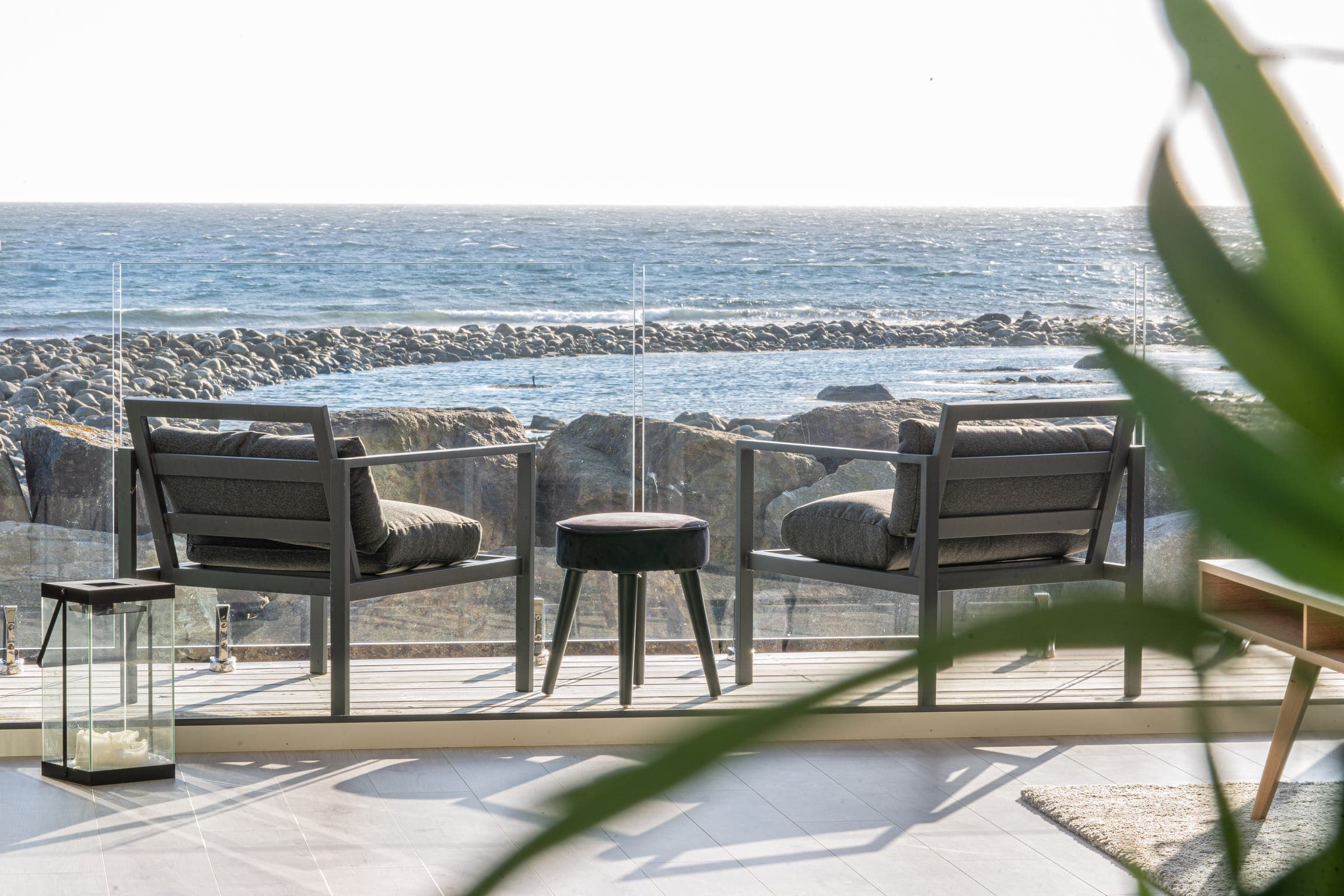
The closest base is Borhaug, the village of the Lista lighthouse and the bird observatory. Our holiday home Maritim 2 stands right there, directly on the water, with five bedrooms for up to nine guests, from 150 euros per night. Dogs are welcome.
Living by the water